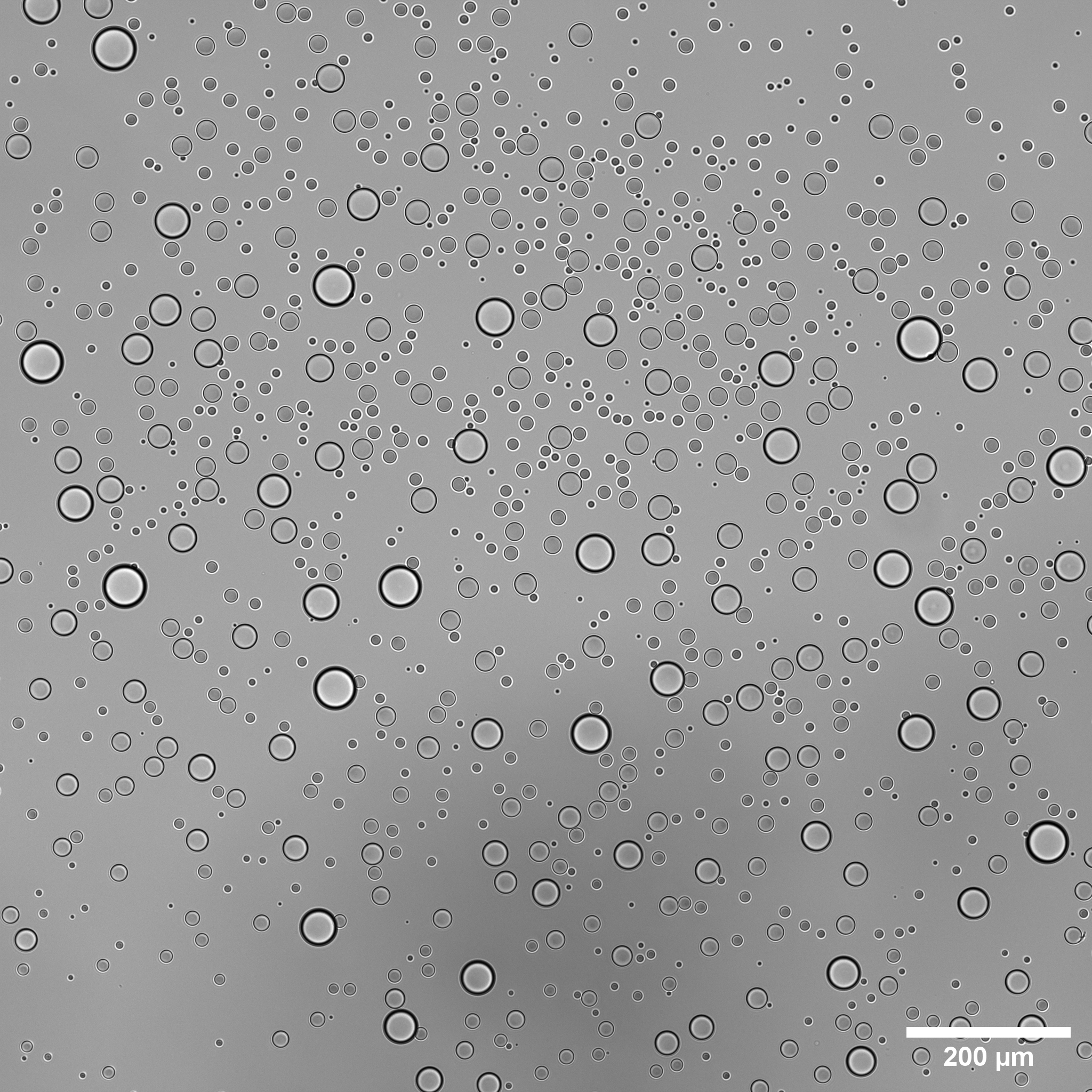
Proteins are the most complex and versatile molecules that we know. All essential functions of living systems rely at least in part on the actions of proteins. In most cases, proteins are required to be soluble, in order to be functional. However, in many cases, proteins and peptides are observed to undergo liquid-liquid phase separation to enhance their functionality. Often (if not always), phase separated, protein compartments also result in protein aggregation and amyloid fibril formation associated with human diseases. Amyloid fibrils are highly ordered polymeric protein aggregates, and are found in the context of a range of diseases, such as Alzheimer’s and Parkinson’s diseases. It has been proposed that the aggregated state represents the thermodynamically most favorable state of any protein. However, it is not known why that is the case, and how proteins achieve to remain soluble in most cases.
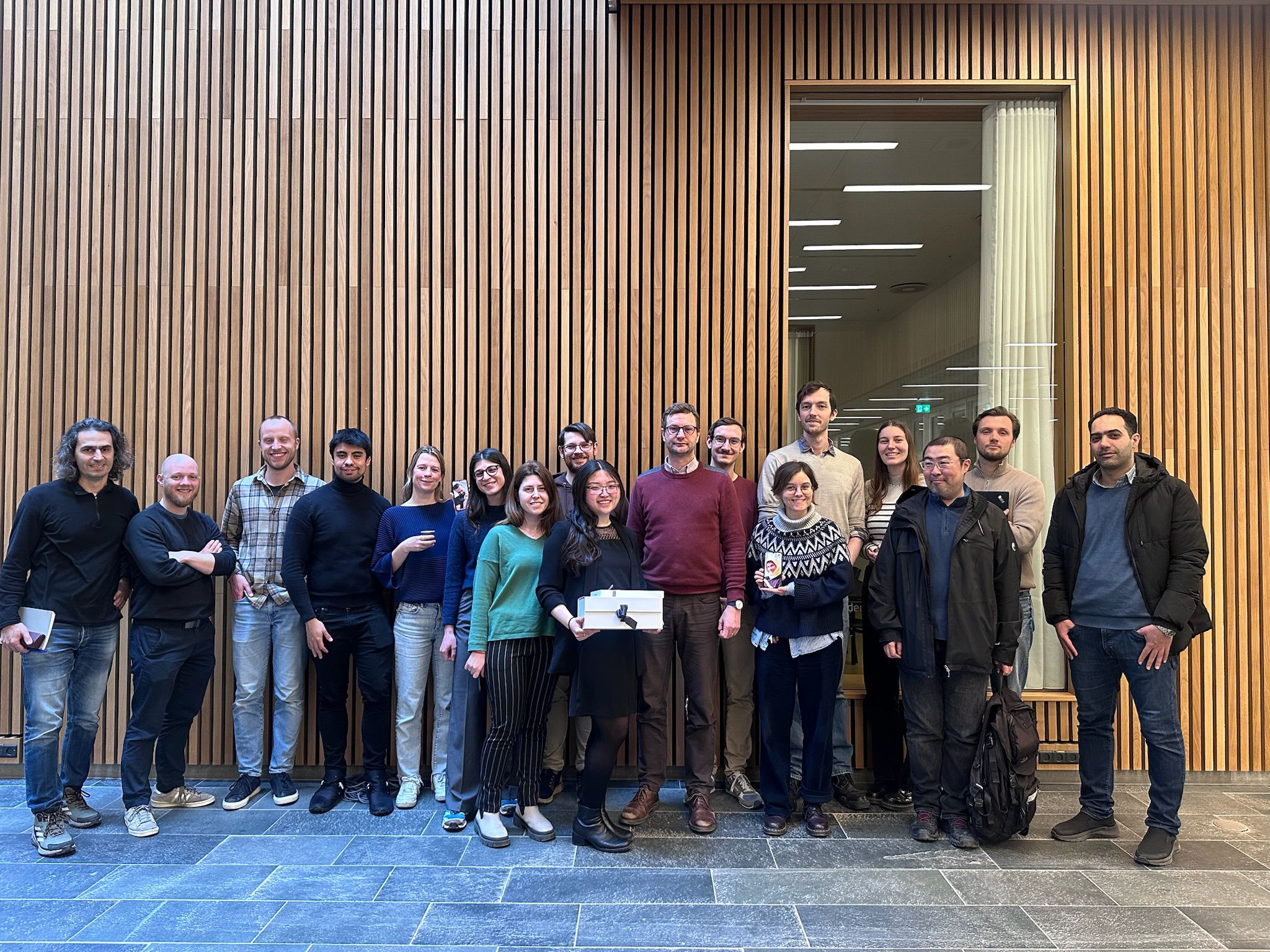
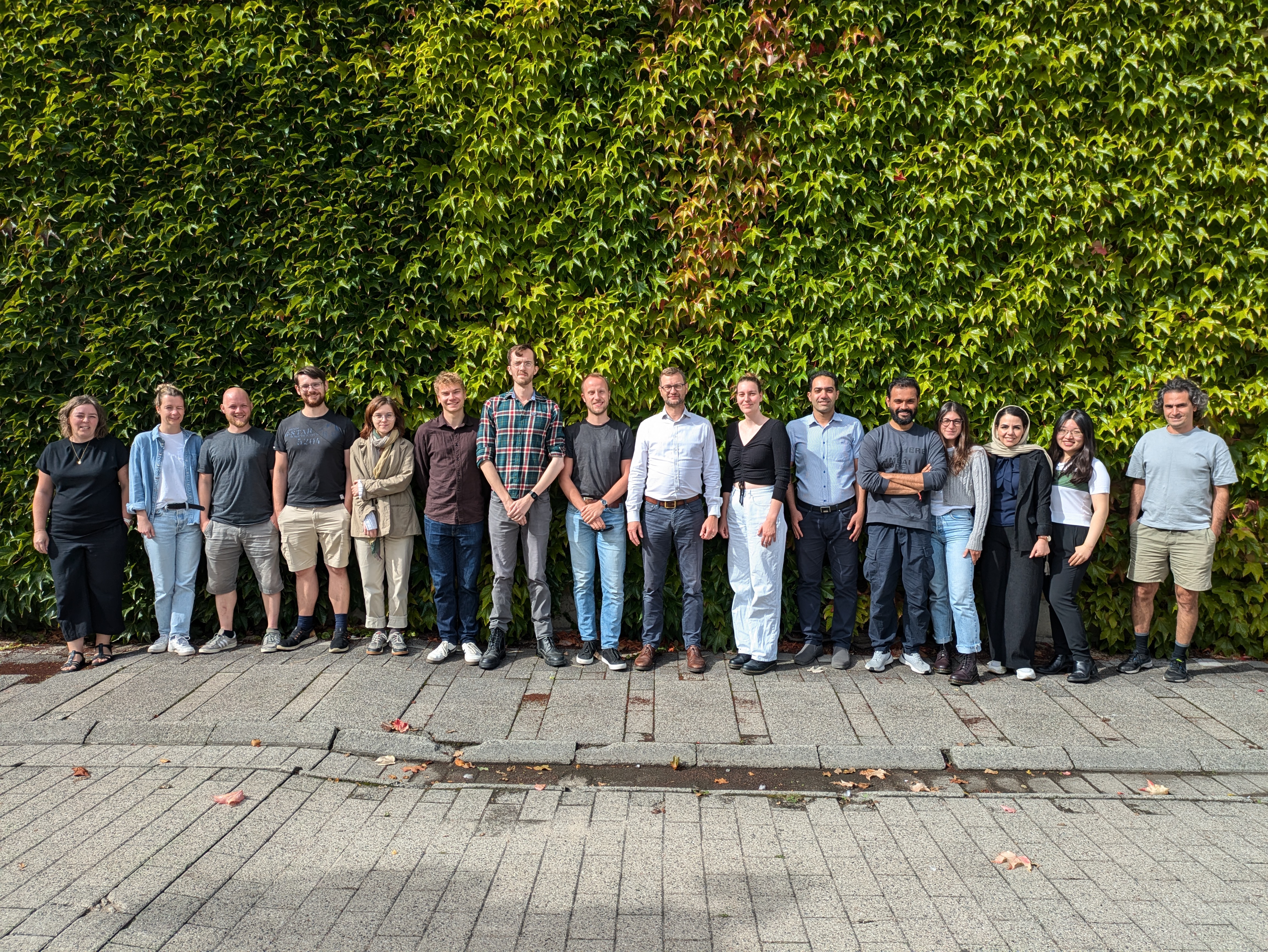
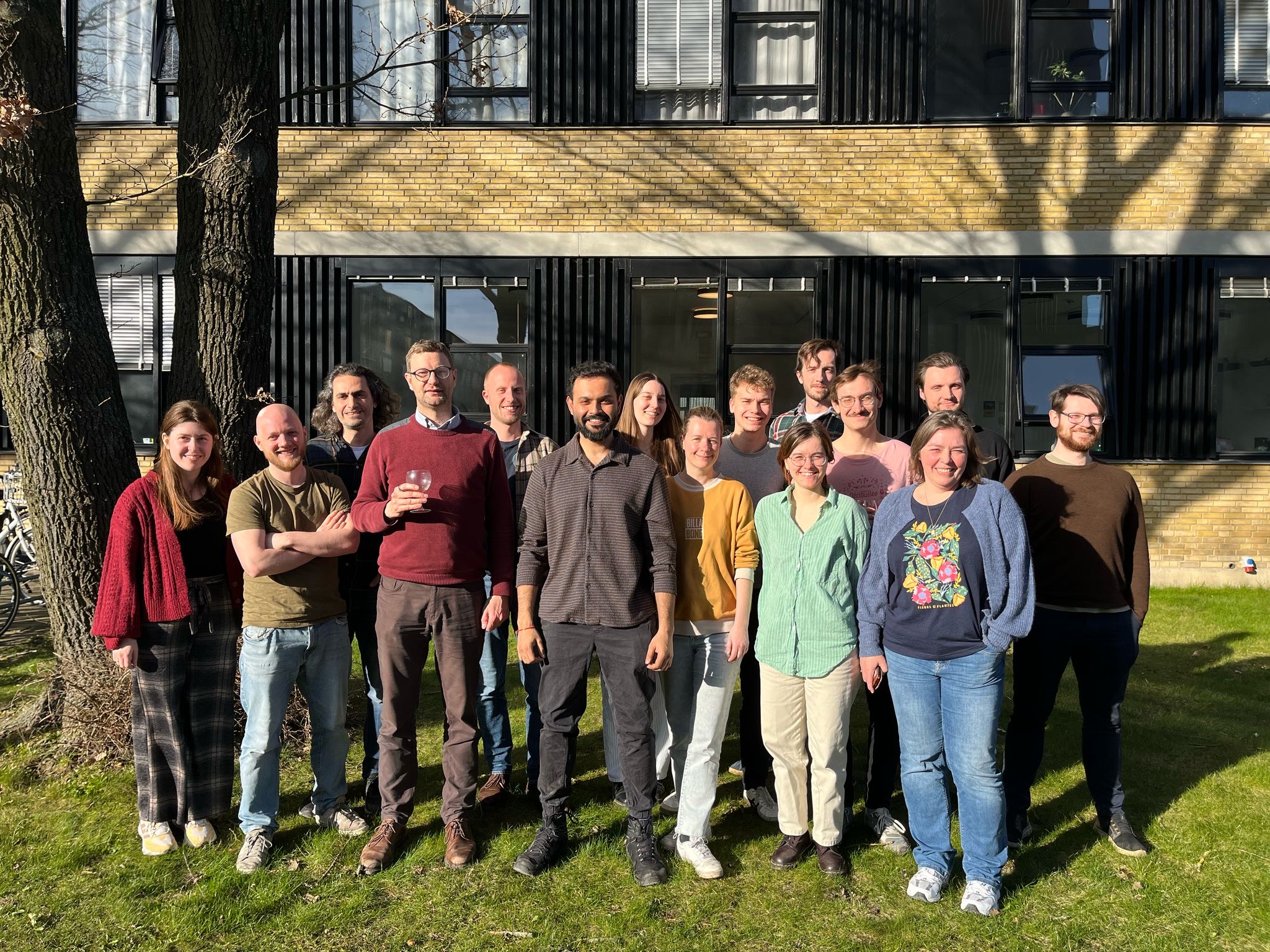
Our Team

An introduction to amyloids
Latest publications
- Ray, S., Kunka, A., Hertel, S. et al. Divergent effects of pathological α-synuclein truncations and mutations on phase separation. Nat Commun (2026).
- M. Zanganeh, T. O. Mason, H. Eskandari, V. Rupreo, F. Bagheri, A. Farzadfard, S. Abbas Shojaosadati, D. Morshedi, D. S. Sutherland, A. K. Buell, H. Mohammad-Beigi; Shear-sensitive clustering of nanoparticles and their protein corona composition govern α-synuclein aggregation. Environ. Sci.: Nano 2026; 13 (6): 2795–2816. https://doi.org/10.1039/d5en00635j
- A. K. Buell; The amplification of α-synuclein amyloid fibrils. Biochem Soc Trans 30 April 2026; 54 (4): 427–435. doi: https://doi.org/10.1042/BST20250489



Collaborators and Funding





Contact us:
Email: [email protected]
Phone: +45 45254061
Where to find us:
DTU Bioengineering
Building 227
Technical University of Denmark
Søltofts Plads
2800 Kgs. Lyngby
Contact u

